
Blog
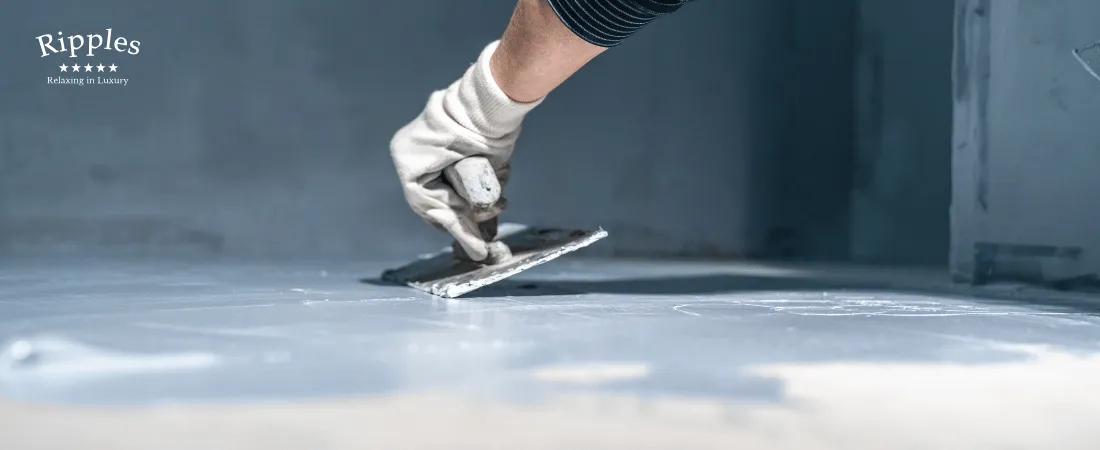
Bathroom Waterproofing Explained: A Homeowner's Guide
When you're planning a bathroom renovation, it's easy to focus on the exciting parts. Choosing tiles, brassware, furniture and colours is all part of creating a bathroom you'll enjoy for years to come.
But behind every well-built bathroom is a waterproof layer that helps protect your home from moisture. It's one of the most important stages of a renovation, yet many homeowners don't realise it's there until they start researching the process.
If you're planning a new bathroom, ensuite or wet room, here's what you should know about bathroom waterproofing and why it matters.
Bathroom Waterproofing at a Glance
- Waterproofing creates a protective barrier beneath your tiles.
- Tiles and grout are water-resistant, but they are not waterproof.
- The areas most exposed to water need the highest level of protection.
- Waterproofing is completed before any tiling begins.
- A properly waterproofed bathroom helps protect your home for years to come.
What Is Bathroom Waterproofing?
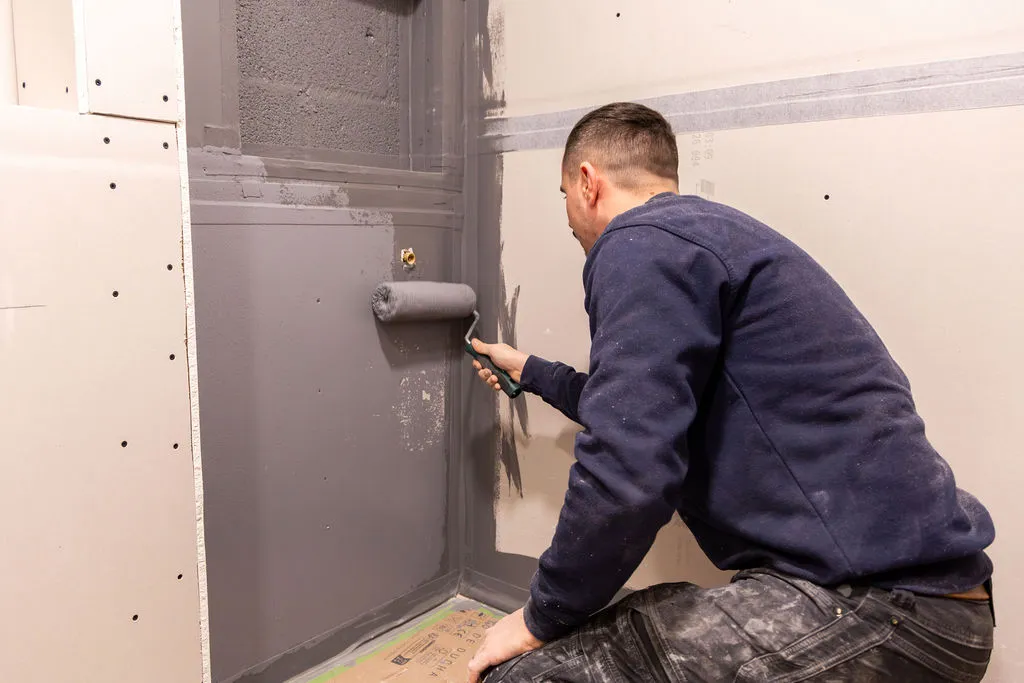
Bathroom waterproofing is the process of applying a waterproof membrane to the areas of your bathroom that are regularly exposed to water.
The membrane sits beneath the tiles and creates a protective barrier that helps stop moisture reaching the walls and floors underneath.
Many people assume the tiles themselves keep water out. In reality, tiles are the finished surface. Small amounts of moisture can work their way through grout joints over time, particularly inside showers and other high-use areas. The waterproof membrane is what helps protect the structure behind the finished bathroom.
Good to Know: You may also hear waterproofing referred to as tanking. In the bathroom industry, both terms are commonly used to describe the waterproof membrane installed beneath the tiles.
Why Is Waterproofing Important?
Bathrooms are exposed to water every day. Showers, baths and even steam all create moisture that needs to be managed properly. Without suitable waterproofing, water can gradually find its way into surrounding materials. Over time, that may lead to damp patches, mould, damaged plasterboard or tiles becoming loose.
These issues often develop slowly, which means they can go unnoticed until repairs become much more expensive. Including waterproofing as part of your renovation helps reduce that risk and gives your new bathroom the protection it needs behind the scenes.
Where Is Waterproofing Needed? 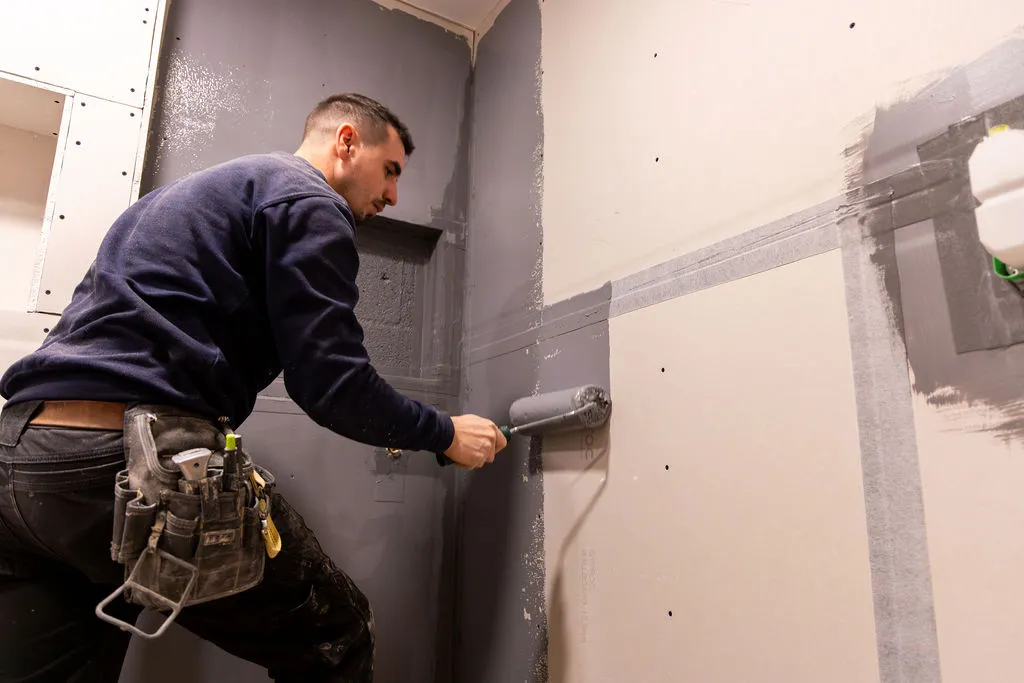
Every bathroom is different, but there are certain areas where waterproofing is particularly important.
These usually include shower enclosures, wet rooms, bathroom floors, walls surrounding showers, baths with overhead showers, internal corners, shower niches, drainage points and pipe penetrations.
The exact areas will depend on the design of your bathroom, but the aim is always the same. To protect the parts of the room that are most likely to be exposed to moisture over time.
Why Is Waterproofing Completed Before Tiling?
One of the most common misconceptions is that waterproofing happens after the tiles have been fitted. In fact, it's one of the first stages of the installation.
Once the walls and floors have been prepared, the waterproof membrane is applied and allowed to cure before any tiling begins. Only then are the tiles installed over the top.
Think of the tiles as the decorative finish. The waterproof membrane is the protective layer doing the important work underneath.
What About Wet Rooms?
Because the floor of a wet room is designed to get wet during normal use, waterproofing becomes even more important.
Instead of containing water inside a shower tray, the floor directs water towards a drain. That means the waterproofing beneath the tiles needs to be carefully installed to help protect the structure below.
If you're planning a wet room, it's worth asking how waterproofing has been incorporated into the design before work begins.
Questions Worth Asking Before Your Renovation
You don't need to know every technical detail about waterproofing, but understanding the basics can help you feel more confident before work starts.
A few useful questions include:
- Which areas of my bathroom will be waterproofed?
- What waterproofing system will be used?
- How are corners, drains and pipework protected?
- Will waterproofing be completed before tiling begins?
- Will the waterproof membrane be given enough time to cure before the next stage of the installation?
Could Your Existing Bathroom Have Waterproofing Problems? 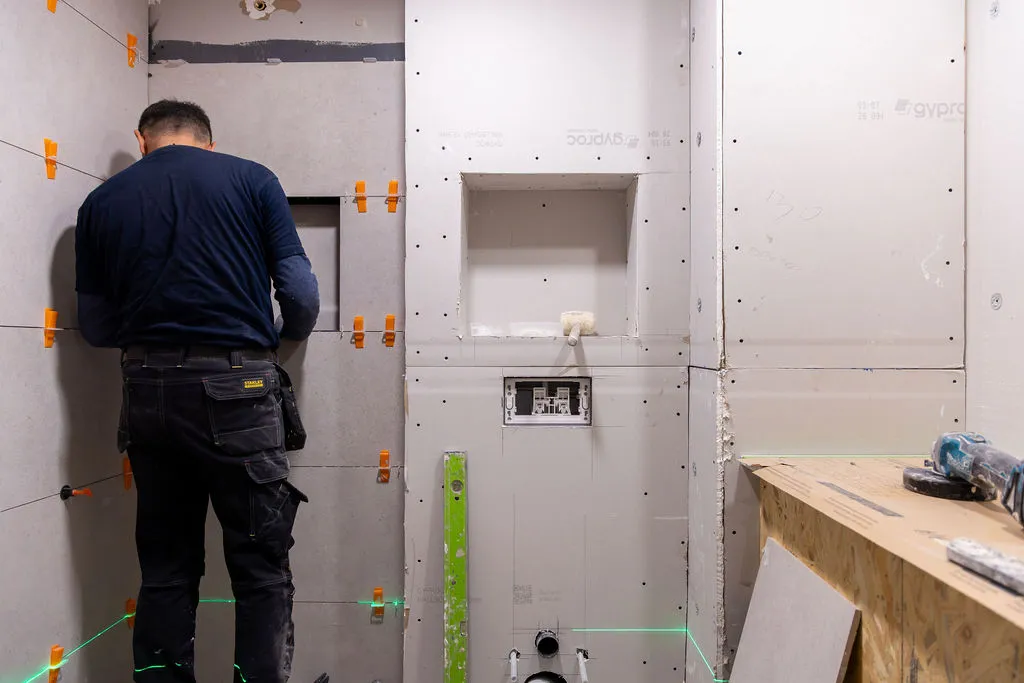
Because waterproofing sits behind the finished surfaces, problems aren't always obvious straight away.
If you've noticed damp patches, loose tiles, cracked grout, peeling paint, recurring mould or a persistent musty smell, it could be a sign that moisture is reaching areas it shouldn't.
These signs don't automatically mean the waterproofing has failed, but they are worth investigating before further damage develops.
Before Your Renovation Begins
Before your bathroom renovation starts, it's worth making sure you've discussed waterproofing with your chosen installer.
Understanding which areas will be protected, how the waterproofing will be applied and when it forms part of the installation gives you greater confidence that your bathroom is being built to last.
Frequently Asked Questions
Are bathroom tiles waterproof?
No. Tiles and grout help resist water, but they are not completely waterproof. The waterproof membrane beneath them provides the main protection.
Is tanking the same as waterproofing?
Yes. Tanking is another name commonly used for the waterproof membrane installed beneath the tiles.
Does every bathroom need waterproofing?
Bathrooms should include appropriate waterproofing in areas regularly exposed to moisture. The exact requirements will depend on the layout and design of the room.
Does waterproofing stop mould?
Waterproofing helps prevent moisture reaching the walls and floors behind your bathroom. Good ventilation is equally important, as it helps control humidity and reduces the conditions that allow mould to develop.
Planning a Bathroom Renovation?
Waterproofing is one of those things you'll probably never see once your bathroom is finished, but it's one of the most important parts of creating a bathroom that's built to last.
At Ripples Bathrooms, every renovation is carefully planned from the very beginning, with every stage of the installation considered before the first tile is laid. Whether you're planning a family bathroom, ensuite or wet room, our team is here to guide you through the entire process.
To book your free consultation, call us on 01 969 6708 or book online at www.ripplesbathrooms.ie/booking.